
A name that recalls the precious colour of freshly pressed oil and pays tribute to the memory of the Knights Templar.
Our olive oil
Oro dei Templari — “the Templars’ gold” — is the name we chose for our extra virgin olive oil. A name that pays tribute to the way the knights farmed and to the care they gave to food and hospitality.
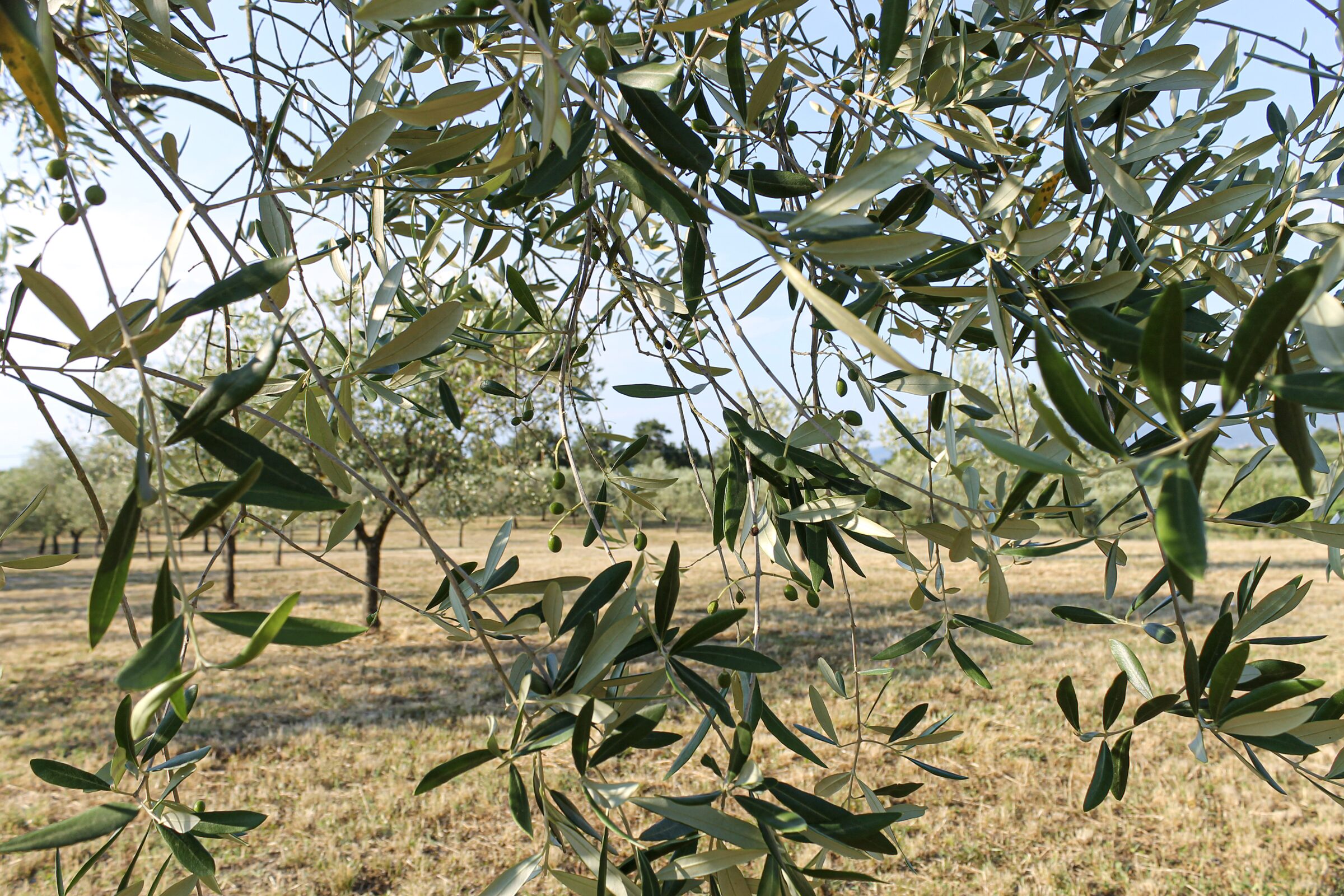
Every bottle comes from the work done among the estate’s olive trees, and is meant to bring the true taste of the Tuscan countryside to your table.
Where it comes from
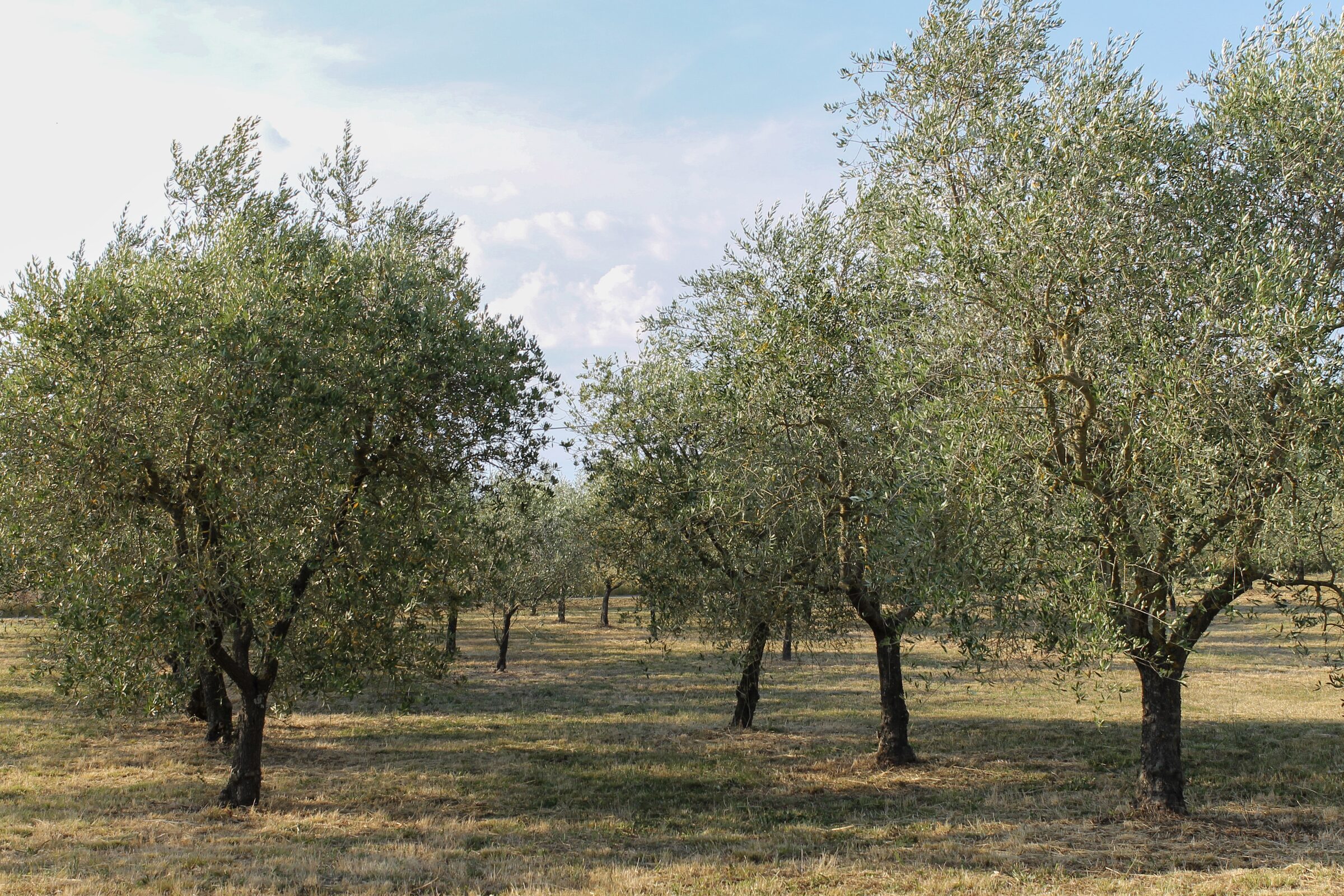
The oil is made at Loppiano, about thirty kilometres from Florence, in the Upper Valdarno: a land of hills, olive trees and chestnut woods, crossed since ancient times by the roads that linked Fiesole to Arezzo, and later Florence to the rest of Tuscany.
It is the same landscape where, in the Middle Ages, the Templar Order owned houses and land along the pilgrim roads. A connection that claims to be no archive document, but that gives meaning to the daily work.
The rule at table
The Templars are usually spoken of alongside the word secrets. There is one, however, that scholars have tried to explain with documents: their remarkable longevity. In an age when life expectancy ranged between twenty-five and forty, many of the knights lived past seventy.
A study published in the journal Digestive and Liver Disease — by Francesco Franceschi with Roberto Bernabei, Giovanni Gasbarrini and Peter Malfertheiner — examined the sources of the period and pointed to a simple answer: their diet. The rules of hygiene and eating set down by Bernard of Clairvaux prescribed little meat, plenty of pulses, fish, cheese, fresh fruit and olive oil. An unusual regime for the Middle Ages, and a forerunner of what we now call the Mediterranean diet.
Alongside the written rules came the habits: washing hands before eating was compulsory, the refectory had to be well kept and the tablecloths clean. The Order forbade hunting for food, and it was the Templars themselves who took up fish farming.
“If diet and lifestyle really do explain the extraordinary longevity of the Templars, then the motto learn from the past has never been more fitting.”
From the conclusions of the study on the diet of the Knights Templar
It is along this thread — oil at the centre of a plain and ancient table — that the idea of Oro dei Templari took shape: an oil made in honour and memory of the Order, and of the place olive oil held in its rule.
The bottle
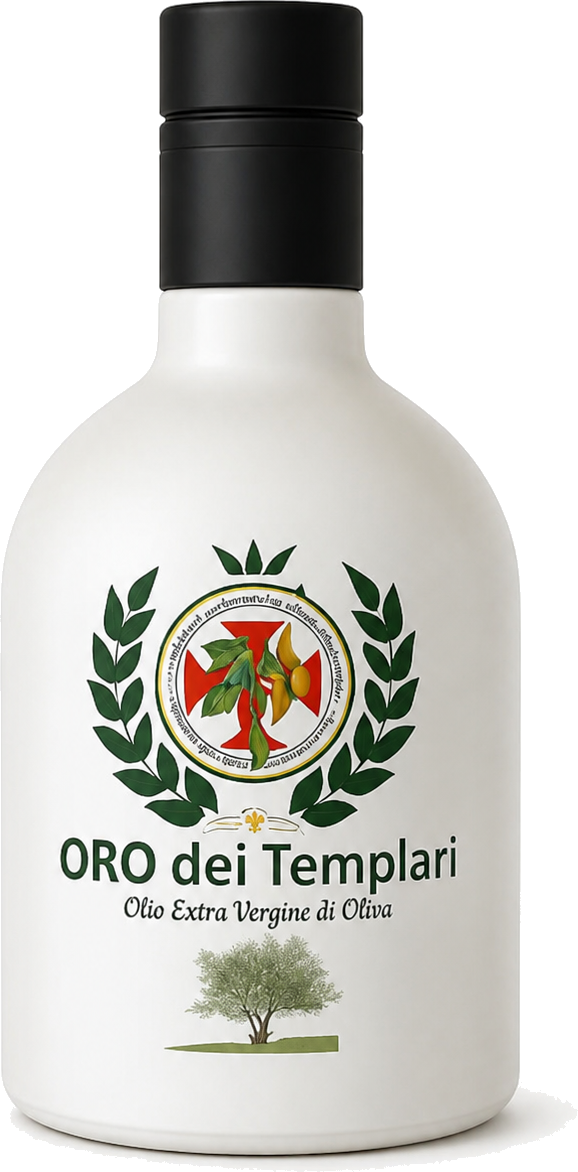
On the label, the Templar cross is wrapped in an olive branch and held within a laurel wreath: the knights’ sign and the fruit of this land, joined in a single emblem. Below it, the olive tree that gives its name to everything else.
Non nobis Domine, non nobis,
sed nomini tuo da gloriam
“Not unto us, O Lord, not unto us, but unto thy name give glory” — the motto of the Templar Order.