
Memory, land and hospitality
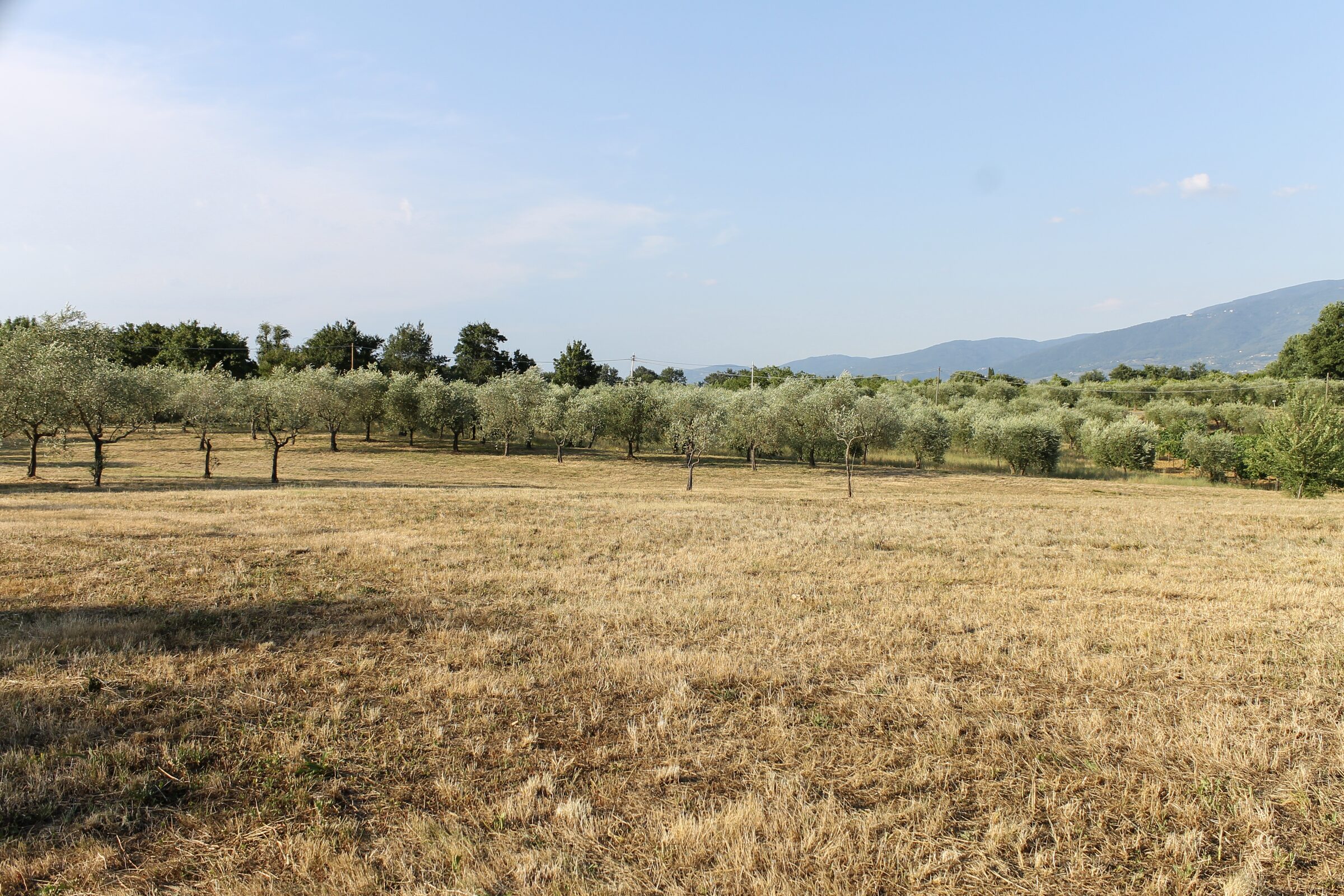
Between Florence and Arezzo, in the heart of the Valdarno, ancient roads have crossed hills, olive groves, parish churches and small villages for centuries. This is a landscape that has watched armies and merchants, pilgrims and farmers go by, and that still bears the marks of all that coming and going.
The presence of the Knights Templar in this area is documented: in the Middle Ages they owned houses, land and buildings that also served to shelter travellers. The sources record Templar settlements in the dioceses of Florence, Fiesole and Arezzo, along the strategic roads of trade and pilgrimage.
Tuscany’s crossroads
The Upper Valdarno — the municipalities of Figline e Incisa Valdarno, Montevarchi, Reggello, San Giovanni Valdarno and Terranuova Bracciolini — has always been the main gateway to the heart of Tuscany. Its history is a history of roads: they explain why, for centuries, such different people met in these hills.
La Cassia Vetus
As early as Etruscan times an important road crossed the Arno valley, linking Fiesole to Arezzo: the Cassia Vetus. It ran through the hills along the right bank of the Arno, roughly following what is now the Strada dei Setteponti, where medieval villages and old Romanesque parish churches still stand — not least the Pieve di Gropina.
La Cassia Adrianea
In AD 123 a new road was opened, the Cassia Adrianea, which crossed the Upper Valdarno from Chiusi to Florence along the left bank of the river. Much of it can still be traced: the Badia a Ruoti in Valdambra, the Romanesque bridge at Pogi, the parish church of San Giovanni Battista at Cavriglia, the parish church of Casignano above Castelnuovo dei Sabbioni, the parish church of San Romolo at Gaville in the hills of Figline.
La Via Vecchia Aretina
In the Middle Ages, thanks in part to the “Terre Nuove” founded by the rulers of Florence, castles rose on the valley floor that would become towns: Castel San Giovanni — today San Giovanni Valdarno — and Castel Santa Maria — today Terranuova Bracciolini — alongside Figline Valdarno and Montevarchi. A main road was built to link them, the Via Vecchia Aretina: the ancestor of today’s Strada Statale 69, which still runs the length of the Valdarno from Florence to Arezzo.
An old word
Wherever they were, the Templars called their outposts mansions — in Italian magioni — and each was led by a commander known as a preceptor. They were farms, places of prayer and resting points for travellers, all at once.
The name
No document proves that a Templar mansion ever stood at Loppiano. Yet the position of the place, its long farming vocation and its closeness to the medieval roads make it tempting to imagine that these hills too were crossed, or frequented, by the knights and travellers of the Temple.
That is where the name La Magione di Loppiano comes from. It does not claim that a Templar mansion historically stood on this farm: it is an evocative name, chosen for a place that is open, welcoming and tied to the memory of this land.
Simone Musmeci’s project
Simone Musmeci chose this name for his farm as a tribute to the Templar tradition and to the values it calls to mind: discipline, respect for the land, simplicity, work and hospitality.
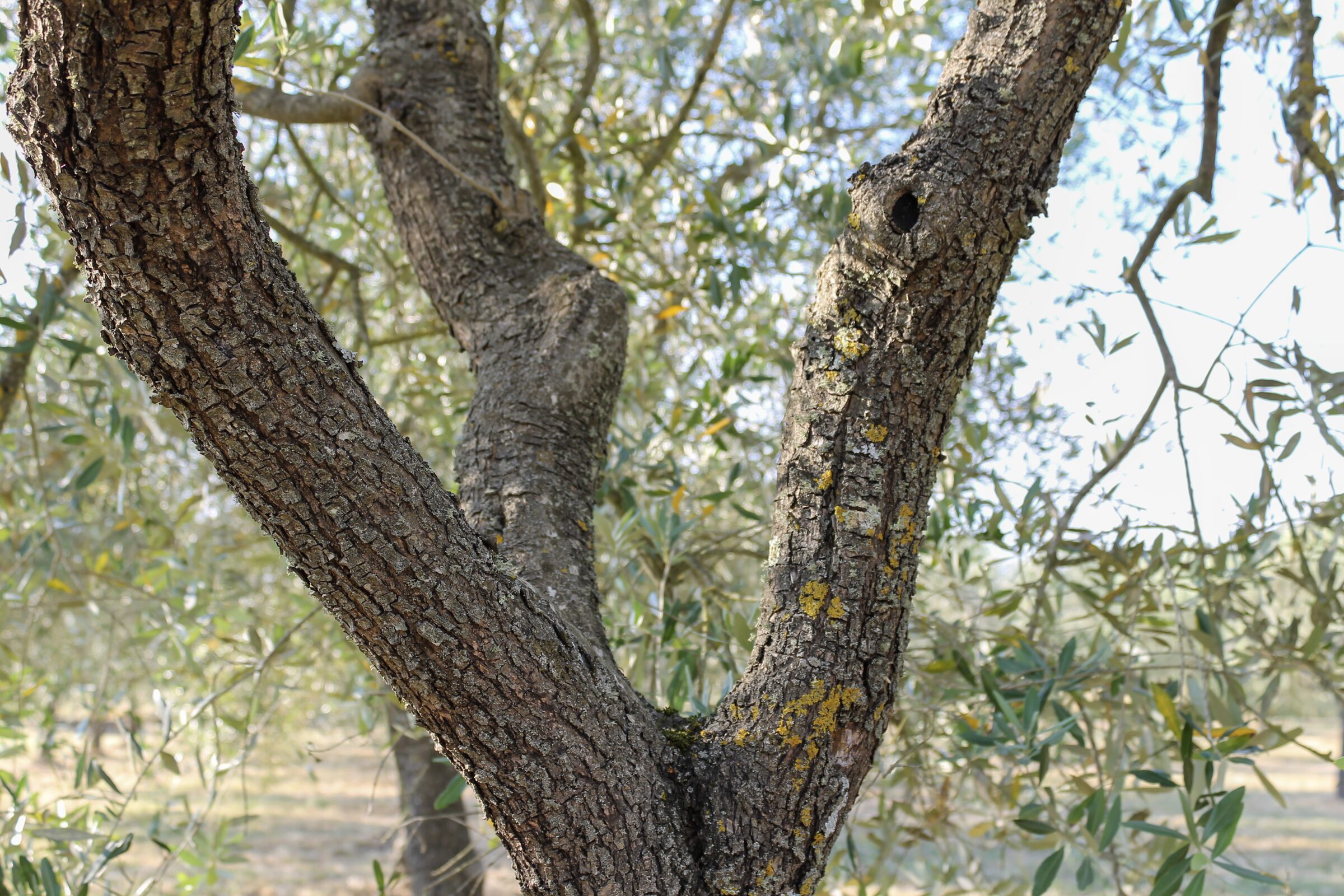
The same idea gave rise to Oro dei Templari, the oil produced on the hills of Loppiano: an oil meant to speak of the land, of farming work and of the thread that ties past and present.
The churches of Loppiano
Loppiano holds places of great beauty and spirituality. Among them is the historic Pieve di San Vito, whose origins go back to the early eleventh century: one of the oldest buildings in the area, and once an important religious landmark for the local communities.
Beside that older history stands the modern Maria Theotokos Sanctuary, opened in 2004 and today a place of meeting, prayer and welcome.
Two very different buildings, united by the same ability to tell the story and the identity of Loppiano.